

Charlotte, North Carolina is often a strong choice for people who want a growing job market, a real city feel, travel access, and a lifestyle that feels easier than many larger U.S. metros.
Living in Charlotte NC can be exciting, practical, and comfortable. The best fit depends on your commute, budget, and social life.
It is not perfect—traffic, rapid growth, and uneven walk access matter—but for many renters, buyers, young professionals, families, and newcomers, the answer to whether Charlotte NC is a good place to live is yes.
Quick answer
- The short answer: yes for many people, especially if you want a growing job market, a major airport and distinct neighborhoods
- The trade-offs: traffic, rapid growth and uneven walkability
- Neighborhood matters: your commute, budget and routine decide which Charlotte fits you
- Best way to decide: test your commute and visit at different times of day
Ready to see homes? Explore Copper communities in Charlotte or browse homes ready now.
So, is Charlotte a good place to live?
Yes. Charlotte is a good place to live for many people, especially those who want a growing Southern city with career options, a major airport, sports, restaurants, greenways, and distinct neighborhoods. For restaurant picks, see the best dining in Charlotte.
The Census Bureau estimated Charlotte’s city population at 964,784 in its Vintage 2025 city estimates. (cdn.www.census.gov)
That growth is part of Charlotte’s appeal. New restaurants, apartments, employers, and entertainment districts keep arriving. The city feels more dynamic than it did a decade ago. For more ideas, see the best things to do in and around Charlotte.
At the same time, living in Charlotte means planning for congestion, construction, and neighborhood-by-neighborhood differences in price, parking, and convenience.
If you are asking whether Charlotte North Carolina is a good place to live, the honest answer is simple: it depends on what you want from daily life. Charlotte works well if you like warm weather, a business-friendly feel, weekend trips to the mountains or coast, and a city that still has quiet residential pockets.
What living in Charlotte feels like day to day
Living in Charlotte often feels like a mix of city convenience and suburban routine.
Uptown has offices, sports venues, museums, hotels, and nightlife. Many residents spend daily life in surrounding neighborhoods such as South End, NoDa, Plaza Midwood, Dilworth, Elizabeth, Ballantyne, University City, Steele Creek, or SouthPark.
The city is spread out, so your experience can change a lot by neighborhood. Someone near the LYNX Blue Line may use rail for commuting, games, and nights out. Someone in a quieter residential area may rely on a car for almost every errand.
Charlotte also has a newcomer culture. Many residents moved from elsewhere, so it can be easier to meet people through work, fitness groups, churches, volunteer groups, professional events, sports leagues, or neighborhood gatherings. The downside is that some areas can feel short-term, especially apartment-heavy districts where people move in and out often.
The biggest reasons people enjoy Charlotte
Charlotte’s strongest advantages are practical. It offers many of the things people want from a major metro without feeling as large or intense as New York, Los Angeles, Chicago, or Atlanta.
- Career access: Charlotte is known for finance, corporate offices, health care, logistics, energy, education, hotels, and a growing tech-related workforce. Opportunities vary by industry, but the city’s business environment is a major reason people relocate.
- A major airport: Charlotte Douglas International Airport is one of the world’s busiest airports, and airport officials note that CLT is American Airlines’ second-largest hub after Dallas-Fort Worth. That makes domestic travel especially convenient for many residents. (charlottenc.gov)
- Neighborhood variety: You can choose a lively apartment corridor, an older tree-lined neighborhood, a planned suburban area, or a smaller nearby town.
- Outdoor access: Greenways, parks, lakes, and weekend trips give residents ways to spend time outside without leaving the region.
- Entertainment: Professional sports, concerts, breweries, food halls, museums, and festivals give the city a busy calendar without requiring a huge-city lifestyle.
These benefits help explain why searches for whether Charlotte is a nice place to live keep rising in relocation conversations. Charlotte gives many people enough city energy to stay engaged, but enough everyday convenience to feel manageable.
The trade-offs to consider before moving
Charlotte’s growth has created pressure. Housing demand, busy roads, and construction can make the city feel more expensive and crowded than newcomers expect. It is still often seen as more accessible than many coastal cities, but it is not a hidden bargain in every neighborhood.
Transportation is one of the biggest issues. The LYNX Blue Line connects the I-485/South Boulevard area through Uptown to UNC Charlotte. That helps if your home, job, or favorite places are near stations. (charlottenc.gov)
Outside transit-friendly corridors, Charlotte is mostly car-oriented. If you want to live without a vehicle, check grocery access, transit frequency, sidewalks, and rideshare costs before you sign a lease.
Weather is another trade-off. Summers are hot and humid, and storms can disrupt travel or outdoor plans. Winters are usually milder than in many northern cities, but occasional ice or winter weather can still affect roads because the region is not built for long snowy seasons.
Is Charlotte, NC a nice place to live for families?
Charlotte can be a nice place to live for families, but the best fit depends on school preferences, commute needs, housing budget, and lifestyle.
Some families choose city neighborhoods for parks, older homes, and proximity to work. Others prefer suburban areas around Mecklenburg County or nearby communities for more space and a quieter pace.
Families often appreciate Charlotte’s access to youth sports, libraries, museums, greenways, and day-trip destinations. The area has various housing options like townhomes, apartments, and single-family homes in old or new neighborhoods. That flexibility helps families at different stages, though popular school zones and high-demand areas can be competitive.
Before deciding, families should compare more than home size. Consider driving during typical hours, explore nearby parks and stores, check out schools in person, and plan your trips around town. In Charlotte, distance on a map can feel significantly different during rush hour.
New homes in Charlotte
The Foundry by Copper Builders
Luxury townhomes at 3023 Casting St in Charlotte’s North End, from the $400s, with 3 bedrooms, 3.5 baths, a 2-car tandem garage and skyline-view terraces.
Neighborhood choice shapes the whole experience
The question is not just whether Charlotte NC is a nice place to live. It is also which version of Charlotte fits you best. The city’s neighborhoods have distinct personalities, and choosing well can make the difference between loving and tolerating your move.
Popular lifestyle matches include:
- For walkability and nightlife: South End, NoDa, Plaza Midwood, and parts of Uptown appeal to people who want restaurants, bars, events, and apartment living close by.
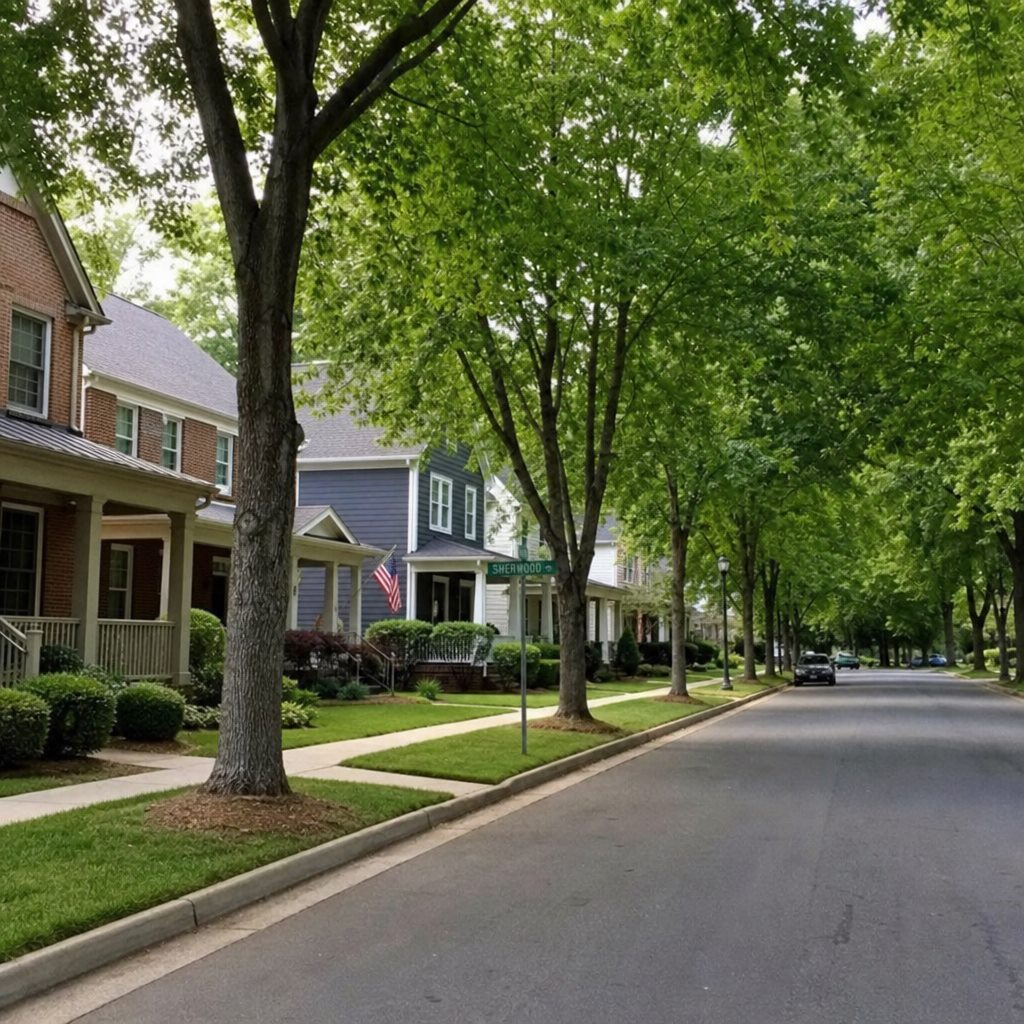
- For classic residential charm: Dilworth, Elizabeth, Myers Park, and nearby established areas offer tree-lined streets, older homes, and access to parks and local businesses.
- For shopping and polished convenience: SouthPark is known for retail, offices, dining, and nearby residential pockets.
- For university energy: University City works well for people connected to UNC Charlotte or jobs in the northeast part of the city.
- For suburban space: Ballantyne, Steele Creek, Huntersville, Matthews, Pineville, Fort Mill, and other surrounding communities may offer more room, though commute patterns vary.
If you are researching living in North Carolina, you should evaluate Charlotte as a region, not just as city limits. Many people claim to live in Charlotte but actually reside in a nearby town and commute for various reasons.
Comparing Charlotte options?
Explore Copper communities across Charlotte
From North End townhomes to luxury homes in Eastover and along Queens Road, compare communities, floor plans and homes ready now.
Cost of living and housing expectations
Charlotte’s cost of living depends on where you are coming from. People relocating from higher-cost metros may find it more manageable, while longtime residents and newcomers from smaller towns may feel prices have climbed quickly. The most desirable neighborhoods near transit, nightlife, top amenities, or short commutes usually command higher rents and home prices.
To build a realistic budget, look beyond rent or mortgage payments. Consider parking, insurance, utilities, commuting, tolls, pet fees, childcare, and living close to amenities. A cheaper home farther out may not feel cheaper if it adds hours of weekly driving.
A smart approach is to rent first if you are unsure. Spending six to twelve months learning commute patterns, neighborhood personalities, and weekend habits can prevent an expensive mistake. Charlotte rewards local knowledge, and your ideal area may not be the one that first appears in relocation guides.
A practical checklist for deciding
Use this quick checklist before committing to living in Charlotte NC:
- Test your commute. Drive or map it during the exact hours you expect to travel.
- Visit at different times. A neighborhood can feel different on weekday mornings, weekend nights, and Sunday afternoons.
- Check transit fit. To have rail access, please confirm your distance from a LYNX station and if your destination is also close to the line.
- Compare total costs. Include transportation, parking, utilities, and lifestyle spending—not just housing.
- Think regionally. Nearby towns may fit your needs better than a central Charlotte address.
- Prioritize your top three needs. Commute, schools, nightlife, space, walk access, and budget rarely align perfectly in one place.
This process keeps the decision grounded. Charlotte can be a great fit, but it works best when your neighborhood, budget, and daily routine support each other.
Who tends to love Charlotte most?
Charlotte is a good fit for those seeking opportunities in a less hectic city than a big global one. Young professionals may like the job market, apartment options, fitness studios, breweries, and social scene. Families may appreciate the parks, suburban choices, and access to regional activities. Frequent travelers benefit from CLT’s extensive air service and close-in location compared with many major airports.
It might not be great for those who prefer city life without a car, a big arts scene, or cool weather. It can also frustrate people who dislike growth, traffic, or rapid change.
The best mindset is realistic optimism. Living in Charlotte isn’t a cure-all, but it can provide a well-rounded, active, and opportunity-filled lifestyle for those who choose wisely.
Final takeaway
So, is Charlotte NC a good place to live? For many people, yes. Charlotte has job opportunities, a big airport, vibrant neighborhoods, outdoor activities, and a developing cultural scene. It’s more welcoming than bigger cities.
The key is fit. If you research neighborhoods carefully, budget for real daily costs, and understand that Charlotte is still a car-oriented and fast-growing city, living in Charlotte NC can be a rewarding move. For the right person or family, the Queen City is not just a nice place to live—it is a place with room to build a full, flexible life.
Frequently asked questions
Is Charlotte, NC a good place to live?
For many people, yes. Charlotte offers a growing job market, a major airport, sports, restaurants, greenways and distinct neighborhoods, with trade-offs in traffic, rapid growth and uneven walkability.
What are the downsides of living in Charlotte?
Congestion, construction, hot and humid summers, and a mostly car-oriented layout outside transit corridors. Housing demand has also made the most desirable neighborhoods more expensive.
Which Charlotte neighborhoods are best for walkability?
South End, NoDa, Plaza Midwood and parts of Uptown suit people who want restaurants, bars and events close by. Dilworth, Elizabeth and Myers Park offer tree-lined streets, parks and local businesses.
Keep reading: Best neighborhoods in Charlotte for families · Richest neighborhoods in Charlotte · Myers Park neighborhood guide · Eastover neighborhood guide · 26 best neighborhoods in Charlotte · 12 best cities near Charlotte