
If you’re like millions of other Americans, you have some outstanding debt. Credit cards, lines of credit, auto loans, and other forms of debt are common in most households and can either work for or against you when it comes time to build a new home.
Lenders consider several factors pertaining to your use of credit when reviewing your application for a mortgage, so even though you have outstanding debt, you may still be able to qualify for a mortgage.
Here are a few of the factors that could have an effect on your ability to build a new home.
Quick answer
- Yes, it is possible: lenders weigh your debt against your income, not just the debt itself
- Debt-to-income ratio (DTI): most lenders look for 43% or lower, and lower is better
- Credit score: scores run from 300 to 850, and 680 or higher opens the most construction-loan options
- Cash needed: a down payment, closing costs and often cash reserves
Planning your build? Compare floor plans or browse homes ready now.
Debt-to-Income Ratio
An important factor in determining your qualification for a mortgage is your debt-to-income ratio(DTI). Essentially, this is how much debt you carry against how much income you have in your household. Most forms of income can be included, such as primary and secondary employment, child support payments, and alimony.
The debts considered include secured and unsecured loans, outgoing child support or alimony payments, as well as your current rent or mortgage payments. Not included are items such as groceries, utilities, and taxes.
To calculate your debt-to-income ratio, simply add up your total monthly debt payments and divide by your total monthly income. There are also a number of online calculators that can do this for you.
A lower ratio is better. Many lenders prefer a DTI at or below about 36%, and most look for 43% or lower, though some programs allow up to about 50% with strong credit, savings or other compensating factors. If your ratio is higher than that, you will likely need to pay down some debt before you qualify for a mortgage.
Credit Score
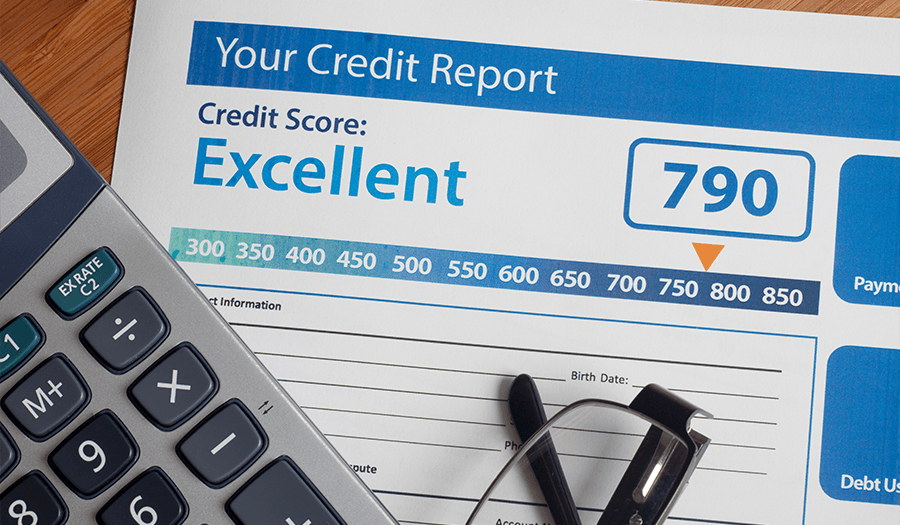
Your credit score is a number between 300 and 850 that indicates how responsibly you use credit. A score of 680 or higher is often needed for a construction loan, but the higher your score, the more likely you are to be approved and offered more competitive interest rates.
Your credit score is usually updated every two weeks, depending on how often your creditors report your activity. It can fluctuate based on your current credit use.
It’s a common misconception that having zero debt on your credit bureau will result in a good credit score, but the opposite is true. You need some credit activity to show your level of responsibility and positively affect your score.
Pay your credit cards on time every month and keep balances below 30% of your limits (under 10% is even better). You do not need to carry a balance to build credit. Pay your auto loan payments and existing mortgage payments on time, and don’t miss any. Pay down or pay off any high-interest credit cards or loans to reduce your outgoing payments.
If you find you struggle to pay down a balance due to high interest, contact your creditor to negotiate a lower interest rate. Many lenders are open to these discussions and will be happy to offer you options that will help you reduce your debt load.
To find out your credit score, you can order a report online.
Not sure what you can afford?
Compare Copper floor plans
See actual square footage and starting prices so you can size your budget before you talk to a lender.
Cash On Hand
In order to start building a new home, you’ll need a certain amount of cash on hand as part of the process. A down payment is required, which can be anywhere from 3.5% to 20% of the loan amount.
You’ll also need to cover the closing costs to take possession of your new home, including legal fees, title transfer, property tax, and other such fees.
Depending on the lender you’re applying to, they may require an additional reserve of funds set aside for mortgage principal, taxes, interest, and insurance payments.
Construction Loan Requirements
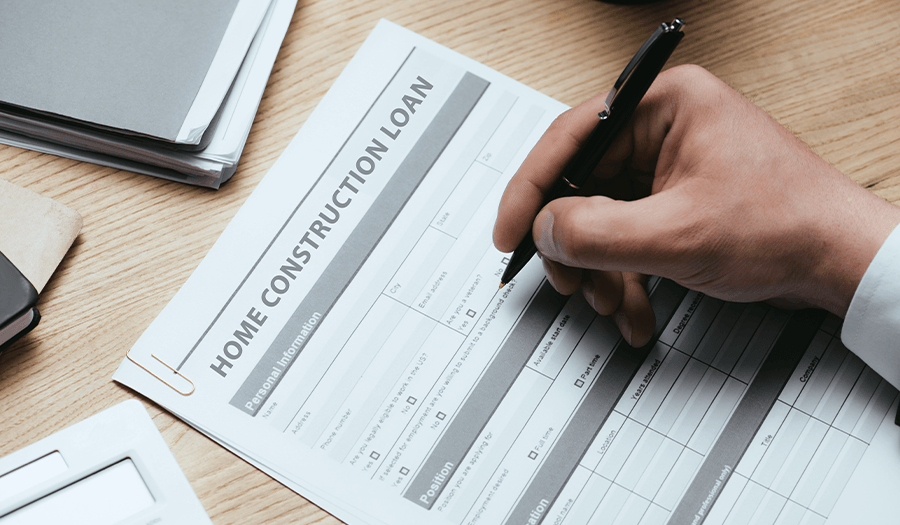
If you’re applying for a construction loan – a temporary loan that finances the construction phase of your new home – you may be required to provide some additional information. You’ll need to verify your income and review your latest tax return and pay stub. For those applicants who are self-employed, two years of tax returns will be required.
How a construction loan works is that the builder receives milestone payments directly from your lender throughout the build. Once your new home’s construction is complete, the lender typically converts your construction loan into a traditional mortgage.
While you may have some outstanding debt, it is still very possible to qualify for a mortgage and build a new home. Doing your due diligence to determine your credit score, your debt-to-income ratio, and assess your overall financial situation will help you decide if you need to pay off or pay down some debt before applying for a mortgage.
If in doubt, talk to a lender about pre-approval, and explore Copper’s communities and floor plans so you know what you want to build while you work on your finances.
Frequently asked questions
Can I build a house with debt?
Yes. Lenders look at your debt-to-income ratio, credit score and cash on hand, so you can still qualify with existing debt if your ratio is manageable.
What debt-to-income ratio do I need to build a house?
Many lenders look for 43% or lower, and a lower ratio improves your odds and your rate. Some programs allow higher ratios with strong credit or savings.
Should I pay off debt before building a home?
Paying down high-interest cards and small loans can lower your DTI and raise your score, which helps you qualify and get a better rate. A lender can tell you whether it makes sense in your situation.
Does a car loan affect my ability to build a home?
Yes. Car payments count toward your debt-to-income ratio, so a large monthly payment can reduce how much you can borrow.
Keep reading: What credit score do you need to build a new home? · New home down payments guide · How long does new home construction take?