

If you are asking “is Charlotte NC safe,” the most honest answer is: generally yes for many residents, visitors, and commuters, but safety varies a lot by neighborhood, time of day, and the type of crime you are concerned about. Charlotte is a large, fast-growing city, so it has both quiet residential areas and busy entertainment, transit, and commercial corridors where reported incidents are more common. Recent CMPD updates show overall, violent, and property crime trending down in 2026, while homicides were still higher through the third quarter than the same period in 2025. (charlottenc.gov)
Quick answer
- Short answer: generally yes, but safety varies by neighborhood, time of day, and type of crime
- 2026 trend: through Sept. 30, CMPD reported overall crime down 17%, violent crime down 15%, and property crime down 17%, while homicides rose 10%
- Often cited as quieter: parts of Ballantyne, Myers Park, Dilworth, SouthPark, and Eastover
- Bottom line: check recent incidents around the exact address, commute, and parking you plan to use
Planning a move? Explore Copper communities or browse homes ready now.
Is Charlotte safe for residents and visitors?
Charlotte is safe enough for many people to live, work, visit, and raise families, but it should be evaluated like any major metro area: block by block, routine by routine, and with current local data. The Charlotte-Mecklenburg Police Department reported that from January 1 through September 30, 2026, overall crime was down 17%, violent crime was down 15%, and property crime was down 17% compared with the prior year, though homicides rose 10% during that same period. (charlottenc.gov)
That mixed picture matters. A person living in a suburban-style neighborhood in south Charlotte may experience the city very differently from someone parking late at night near nightlife, commuting through Uptown, or living along a higher-activity corridor. So the better question is: safe for what kind of lifestyle, schedule, and location?
For visitors, the usual big-city advice applies. Stay aware in nightlife districts, do not leave valuables visible in your car, use well-lit parking, and check your route before walking late at night. For residents, the most useful safety check is not a citywide reputation; it is recent incident activity around the exact apartment, street, school, or commute you are considering.
What the current crime picture says
Charlotte crime data is more useful when you separate violent crime from property crime. Violent crime includes categories such as homicide, rape, robbery, and aggravated assault. Property crime includes burglary, auto theft, and theft from vehicles. These categories affect daily life differently: a neighborhood can feel calm but still have car break-ins, while a nightlife area can see more assaults and disorder without being representative of the whole city.

CMPD’s 2026 third-quarter update reported notable year-over-year declines in robberies, aggravated assaults, vehicle thefts, larcenies from auto, and burglaries. It also noted that the Central Division, which includes Charlotte’s entertainment core, saw overall crime down 23%, violent crime down 38%, and property crime down 22% through the third quarter compared with the prior year. (charlottenc.gov)
Still, reported declines do not mean every area feels safer. High-profile incidents, visible homelessness, street disorder, reckless driving, or repeated car break-ins can strongly shape public perception. In late 2025, Axios reported that a local survey found many Charlotte-area respondents felt the city had become less safe, even as CMPD data showed citywide violent crime had fallen year over year. (axios.com)
Understanding the crime rate in Charlotte
The crime rate in Charlotte is often discussed as if there is one simple number, but rates depend on the boundary, population estimate, crime category, and reporting system being used. Charlotte’s city population was estimated at 964,784 in the Census Bureau’s Vintage 2025 city estimates, making it one of the largest cities in the country. (census.gov)
That growth matters because raw crime totals can be misleading. If a city adds residents, commuters, visitors, and new development, incident counts may not tell the same story as per-capita rates. A safer analysis looks at both: how many incidents occurred and how that compares with the number of people using the area.
It is also important to know what dataset you are reading. The City of Charlotte’s CMPD Violent Crime dataset is updated monthly and includes FBI UCR Part I violent crime counts aggregated by CMPD jurisdiction, Neighborhood Profile Area, and violent crime hot spots. The dataset covers monthly counts from January 2015 to the present and includes categories such as homicide, rape, robbery, aggravated assault, and non-fatal gunshot injury victims. (catalog.data.gov)
The safest areas are usually residential, lower-traffic, and address-specific
The safest areas in Charlotte are typically places with lower reported violent crime, less late-night commercial activity, and more stable residential patterns. However, “safe” should not be treated as a permanent label. Construction, nightlife, traffic patterns, apartment turnover, and nearby retail corridors can all change how an area feels.
Neighborhoods often discussed among the safest in Charlotte include parts of Ballantyne, Myers Park, Dilworth, SouthPark, Eastover, Providence Plantation, and some far-south or far-north residential communities. These areas are generally known for residential streets, established housing, or suburban-style development, but you should still check the exact block before signing a lease or buying a home.
A practical way to evaluate a neighborhood is to compare lifestyle fit with recent incident patterns. A quiet cul-de-sac may be ideal for a family, while a walkable urban neighborhood may be worth the tradeoff of more noise, traffic, and petty theft risk. No list of safe neighborhoods can replace checking current data around a specific address.
A quick safety-check framework
Use this simple checklist when comparing neighborhoods:
- Look at recent incidents within a half-mile. Focus on the last few months, not old reputation.
- Separate violent crime from property crime. Car break-ins and assaults tell different stories.
- Visit at different times. A street can feel different on a weekday morning, Friday night, and Sunday afternoon.
- Check lighting, parking, and walkability. These details affect daily safety more than broad city rankings.
- Ask about package theft and auto break-ins. These are common quality-of-life concerns in many growing cities.
- Consider your commute. Safety includes where you park, wait for transit, or walk after dark.
Neighborhood context matters more than broad reputation
Charlotte is a city of micro-markets. Uptown, South End, NoDa, Plaza Midwood, Ballantyne, University City, Steele Creek, and east Charlotte all have different rhythms, and our guide to the best neighborhoods in Charlotte shows how different they can feel day to day. Some areas are busier because they attract nightlife, office workers, students, shoppers, or transit riders. More people moving through an area can mean more reported incidents, even if many residents still feel comfortable there.
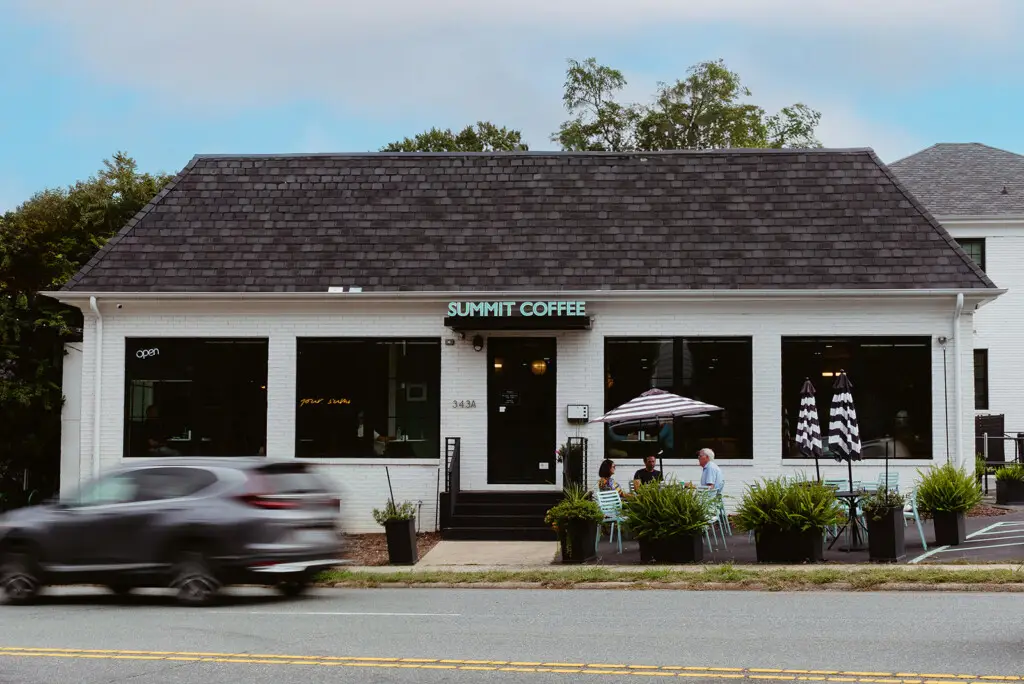
Uptown and South End, for example, can be appealing because they offer restaurants, events, offices, light rail access, and walkability. Those same features can bring late-night crowds, parking-lot theft, and more police calls. A quieter residential area may have fewer visible issues but require more driving and less immediate access to amenities.
The key is to avoid treating Charlotte safety as a yes-or-no question. A better approach is to match your tolerance for urban activity with the specific pattern of crime near your home, workplace, school, or hotel.
How to read Charlotte crime data without overreacting
Crime maps and dashboards are helpful, but they can also look alarming if you do not understand what they include. The City’s CMPD Incidents dataset includes criminal and non-criminal report types, and it notes that some reports document non-criminal circumstances, recovered vehicles stolen elsewhere, or cases later determined to be unfounded. (catalog.data.gov)
That means a map full of dots does not automatically mean an area is dangerous. You need to filter by offense type, date range, and location. You should also consider whether the area has shopping centers, gas stations, bars, parking decks, hotels, or transit stops, because those places naturally generate more calls than purely residential streets.
A smart reading of the data asks:
- What type of incident is most common? Theft from auto is different from aggravated assault.
- When does it happen? Late-night incidents may matter less if you are rarely out then, or more if you work nights.
- Where is it concentrated? A busy retail lot may not reflect nearby residential blocks.
- Is the trend improving or worsening? Recent direction matters more than an outdated reputation.
- How does the area feel in person? Data and lived experience should be considered together.
Practical safety tips for living in or visiting Charlotte
Most Charlotte safety habits are common-sense urban habits. They are not about being fearful; they are about reducing easy opportunities for theft, conflict, or vulnerability.
If you drive, lock your car every time and keep bags, electronics, firearms, and shopping items out of sight. CMPD’s updates have repeatedly highlighted vehicle thefts and larcenies from auto as important property-crime categories, even when those numbers are improving. (charlottenc.gov)
If you are going out in Uptown, South End, NoDa, or other nightlife areas, plan your transportation before the night starts. Park in well-lit areas, walk with others when possible, and avoid confrontations around bars, parking lots, and late-night food spots. If you are moving to Charlotte, visit potential neighborhoods after dark and during commute hours so you understand traffic, noise, and street activity, and weigh safety alongside the cost of living in Charlotte.
For families, safety research should include more than crime. Look at road design, sidewalks, school commute routes, parks, lighting, and how comfortable you feel walking a dog or letting older kids bike nearby. Our roundup of family-friendly neighborhoods in Charlotte is a good place to start. In many cases, those daily design details shape quality of life as much as the reported crime rate in Charlotte.
The bottom line on Charlotte safety
So, is Charlotte NC safe? For many people, yes, especially when they choose neighborhoods carefully, understand the difference between property crime and violent crime, and use normal city precautions. But Charlotte is not uniformly safe or unsafe, and broad rankings can hide meaningful differences between blocks, corridors, and daily routines.
The best answer is to use current CMPD data, visit the area in person, and evaluate the exact places where you will live, park, commute, and spend time. If you do that, you will get a much clearer picture than any simple headline about whether Charlotte is safe.
Frequently asked questions
Is Charlotte, NC safe to live in?
Generally yes for many residents, but safety varies by neighborhood, time of day and type of crime. Check recent incident data near the exact address, commute and parking you plan to use.
Is crime in Charlotte going up or down?
The Charlotte-Mecklenburg Police Department reported that from January 1 through September 30, 2026, overall crime was down 17%, violent crime was down 15% and property crime was down 17% compared with the prior year, while homicides rose 10%.
Which areas of Charlotte are considered the safest?
Parts of Ballantyne, Myers Park, Dilworth, SouthPark and Eastover are often cited as quieter, but conditions differ block by block. See our guide to the best neighborhoods in Charlotte to compare areas.
Is Uptown Charlotte safe at night?
Uptown is Charlotte’s busy entertainment core. CMPD’s Central Division, which includes it, reported overall crime down 23% and violent crime down 38% through the third quarter compared with the prior year. As in any city center, stay in well-lit, busy areas and keep valuables out of sight.
Where can I check crime data for a specific address?
CMPD publishes crime statistics reports and open data, and you can review recent incidents near an address before you buy or rent. Looking at the last few months is more useful than relying on an old reputation.
Keep reading: 26 best neighborhoods in Charlotte · Living in Charlotte, NC · Cost of living in Charlotte · Family-friendly Charlotte neighborhoods