
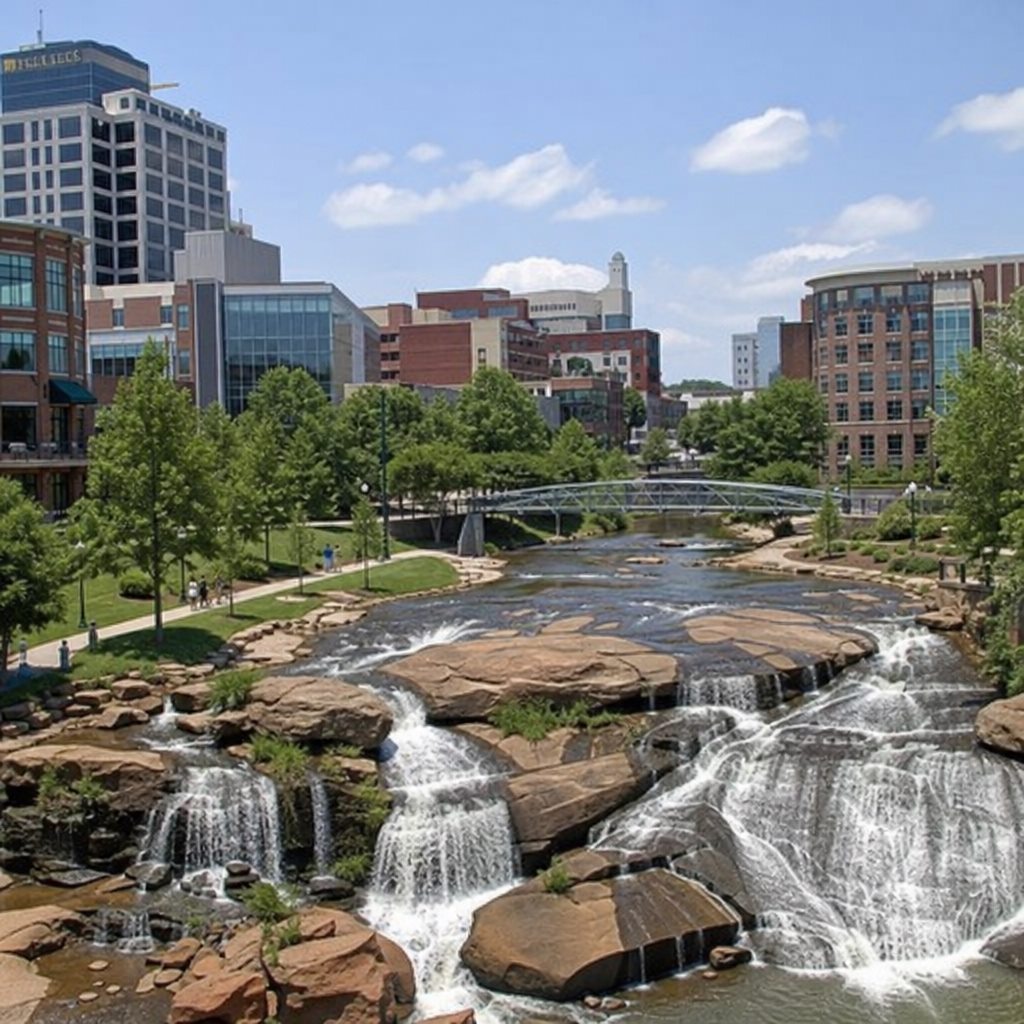
Greenville offers a rare mix of walkable downtown energy, mountain-adjacent scenery, growing job access, and Southern pace. But living in Greenville SC also comes with trade-offs, including rising housing costs, car dependence, humid summers, and growth-related congestion. If you’re weighing Greenville SC living against other Southeast cities, the smartest move is to look at both the lifestyle perks and the daily-life friction before you relocate.
Quick answer
- Biggest pros: a strong downtown, easy outdoor access and city amenities without mega-city scale
- Biggest cons: rising housing costs, car dependence and growth-related traffic
- Also consider: hot, humid summers, pollen and school fit by address
- Bottom line: a good place to live for many people, if the trade-offs match your priorities
Considering a move? Explore Copper communities in Greenville or browse homes ready now.
Is Greenville SC a good place to live?
For many people, yes: Greenville is a good place to live if you want a mid-sized city with an active downtown, outdoor access, restaurants, and a community feel that is easier to navigate than a major metro. The city had 70,720 residents at the 2020 Census, and its appeal is tied closely to amenities such as Falls Park, the Swamp Rabbit Trail, and more than 37 parks within city limits. Still, the answer depends on your budget, commute, school preferences, and tolerance for rapid growth. (census.gov)
People asking “is Greenville South Carolina a good place to live” often picture downtown first, but everyday life may happen in neighborhoods and suburbs with very different price points, traffic patterns, and personalities. That is why touring at rush hour, checking housing costs carefully, and spending time outside Main Street matter.
The pros of living in Greenville
1. A strong downtown anchors the city
Downtown Greenville is one of the biggest reasons people fall for the city. Main Street is pedestrian-friendly, restaurant-heavy, and close to Falls Park, which gives the urban core a scenic centerpiece rather than just office blocks. For people who like dinner, coffee, public art, and weekend strolling without driving across a huge metro, living in Greenville can feel convenient and lively.
2. Outdoor access is part of normal life
Greenville makes it easy to build fresh air into your routine. The Swamp Rabbit Trail network is a multi-use greenway that connects Greenville with Travelers Rest and runs through parks and along the Reedy River corridor. That means biking, walking, and casual weekend exploring can be part of everyday Greenville SC living, not just a special trip.
3. You get city amenities without mega-city scale
Greenville has theaters, restaurants, local shops, breweries, festivals, healthcare access, and regional employers, but it is still more approachable than Atlanta, Charlotte, or Nashville. Parking, errands, and social plans may be simpler than in larger metros, depending on where you live. This balance is a major reason many newcomers ask, “is Greenville SC a nice place to live?”
4. Neighborhood variety gives buyers and renters options
Greenville SC neighborhoods range from downtown condos and historic streets near the core to quieter residential pockets and suburban communities outside city limits. Areas closer to downtown tend to offer walkability and charm, while farther-out locations may provide more space or a calmer pace. The best fit depends on whether you value short commutes, yard space, nightlife, schools, or affordability.
5. The food and local business scene feels active
Greenville’s dining scene is one of its everyday quality-of-life strengths. You can find date-night restaurants, casual lunch spots, coffee shops, bakeries, and local markets without needing to drive to a larger city. For remote workers and young professionals, that creates plenty of “third places” beyond home and work.
6. It is well positioned for regional travel
Living in Greenville South Carolina puts you within reach of the Blue Ridge foothills, Asheville, Charlotte, Atlanta, and other Southeast destinations. Weekend trips are realistic, especially if you enjoy hiking, mountain towns, college sports, or regional concerts. Greenville can feel like a comfortable home base rather than an isolated city.
7. Parks and public spaces are easy to enjoy
The city’s parks help Greenville feel greener than many car-oriented Southern metros. Falls Park is the signature example, but neighborhood parks, trail access, and recreation areas also support families, dog owners, runners, and casual walkers. Public spaces make a noticeable difference when you want low-cost things to do.
8. It can work for different life stages
Greenville appeals to young professionals, families, retirees, students, and people relocating for a lifestyle reset. A single person may value downtown apartments and restaurants; a family may prioritize parks and suburban neighborhoods; a retiree may appreciate healthcare access and manageable scale. That flexibility helps explain the broad interest in living in Greenville SC.
9. Recovery-minded residents can find support options
If you’re searching for sober living in Greenville SC, start with verified recovery housing, local resource directories, and healthcare referrals rather than choosing solely from ads. SAMHSA describes recovery housing as substance-free, family-like living environments that support people in recovery through peer support and service connections. Greenville-area resource lists also identify transitional and recovery-related housing options, but availability, fit, and quality should be checked directly.
New homes in Greenville
McNeil Court and Solaire by Copper Builders
McNeil Court offers 38 low-maintenance townhomes from the $900s with 2–4 bedrooms, while Solaire brings luxury rooftop-living townhomes from $1.3M steps from County Square.
What is the cost of living in Greenville SC?
The cost of living in Greenville SC is no longer a simple “cheap Southern city” story. Census data for 2020–2024 lists the median value of owner-occupied housing units in Greenville city at $487,500 and median gross rent at $1,312, so housing can be a serious budget item, especially near desirable central areas. Your real cost will depend on whether you rent or buy, how close you live to downtown, and how much you drive. (census.gov)
A practical relocation budget should include more than rent or mortgage. Factor in utilities, car insurance, commuting fuel, parking, maintenance, dining out, childcare if relevant, and moving costs. Greenville may still compare favorably with some larger cities, but newcomers should not assume every neighborhood is affordable.
The cons of living in Greenville
10. Housing costs have risen
Greenville’s popularity has made central and convenient housing more competitive. Charming homes near downtown, trail access, or established neighborhoods can command higher prices than newcomers expect. If affordability is your top priority, you may need to widen your search beyond the most popular Greenville SC neighborhoods.
11. A car is still important
Greenlink provides bus service in Greenville, but the region remains largely car-dependent for many commutes, errands, and suburban trips. Transit may work for some routes, yet it will not replace a car for every household or schedule. Before choosing a home, map your commute, grocery access, healthcare trips, and evening plans.
12. Growth can mean more traffic
As Greenville attracts new residents and development, familiar roads can feel busier. Commutes vary widely by corridor, school schedule, construction, and event traffic. This is not Atlanta-level gridlock, but it can surprise people expecting a small-town driving experience.
13. Summers are hot and humid
Upstate South Carolina has long, warm summers, and humidity can make outdoor plans feel heavier in July and August. If you are moving from a cooler or drier region, plan for air conditioning costs, shaded exercise routes, and earlier outdoor activities. The upside is a longer patio and gardening season, but summer comfort is still a real consideration.
14. Pollen and allergies can be rough
Greenville’s greenery comes with seasonal pollen. Spring can be beautiful, but it may also be challenging for people with allergies. If you are sensitive, consider air filters, allergy medication planning, and visiting during peak pollen season before committing.
15. Popular areas can feel expensive and crowded
The same places that make Greenville attractive—downtown, Falls Park, the trail, and restaurant districts—can get busy. Weekend parking, brunch waits, and trail congestion may become part of life. If you prefer quiet, look for neighborhoods that offer access without placing you directly in the busiest zones.
16. School fit requires research
Families should evaluate schools by specific address, not by the general reputation of Greenville. District lines, programs, commute times, and private or charter options can shape the decision. Visit schools, review current information, and talk with local parents before choosing a neighborhood.
17. The job market may not fit every profession
Greenville has a healthy regional economy, but not every specialized career path will have the same depth as a major metro. Remote workers, healthcare professionals, manufacturing-related employees, entrepreneurs, and service-sector workers may find different levels of opportunity. If your field is niche, line up work before moving.
18. Rapid change can affect local character
Growth brings restaurants, investment, and amenities, but it can also create tension around affordability, traffic, and development style. Longtime residents may feel the city changing quickly, while newcomers may be drawn to exactly that momentum. Understanding both perspectives helps you enter the community with realistic expectations.
Moving to Greenville?
See where Copper is building
Compare Copper communities in Greenville, SC, browse floor plans and find homes that are ready now.
A quick relocation checklist
Before deciding, use this simple checklist to test whether Greenville fits your daily life:
- Visit on weekdays and weekends. Downtown may feel different during work traffic, Saturday brunch, and evening events.
- Compare neighborhoods by commute. A cheaper home farther out may cost more time every day.
- Price the full lifestyle. Include housing, transportation, utilities, insurance, childcare, and entertainment.
- Walk or bike your target area. Trail access and walkability vary block by block.
- Check support needs early. If recovery housing, medical care, schools, or transit access matter, verify availability before signing a lease.
- Talk to locals. Ask what they love, what frustrates them, and what they wish they knew before moving.
The bottom line
So, is Greenville SC a good place to live? For many people, Greenville offers a compelling mix of downtown charm, outdoor access, neighborhood variety, and regional convenience. The trade-off is that living in Greenville is not as inexpensive or undiscovered as it once seemed, and daily life still depends heavily on where you live, how you commute, and what your budget can handle. If the pros match your priorities and the cons feel manageable, Greenville can be a genuinely rewarding place to call home.
Frequently asked questions
Is Greenville, SC a good place to live?
For many people, yes. Greenville suits those who want a mid-sized city with an active downtown, outdoor access and restaurants, though the answer depends on your budget, commute, school preferences and tolerance for rapid growth.
What is the cost of living in Greenville, SC?
Census data for 2020–2024 lists the median value of owner-occupied housing in Greenville city at $487,500 and median gross rent at $1,312. Your real cost depends on whether you rent or buy, how close you live to downtown and how much you drive.
Do you need a car in Greenville?
Mostly, yes. Greenlink provides bus service, but the region remains largely car-dependent for many commutes, errands and suburban trips, so map your daily routes before choosing a home.
Keep reading: Best places to live in South Carolina · 7 best neighborhoods in Greenville, SC · Copper Builders expands to Greenville with McNeil Court